When Does a Cat Need a Sedated Nail Trim?
TL;DR: A sedated cat nail trim makes sense when your cat can’t be handled safely while awake, or when the nails have grown into the paw pad. It’s a short procedure under light sedation, supervised by our veterinary team, and most cats go home the same day.
If every nail trim at home ends with a scratched forearm and a cat wedged under the bed, you’re in good company. A sedated cat nail trim at Lakeside Animal Hospital in Plantation gives fearful, senior and hard-to-handle cats a calm, clean trim without the wrestling match. Below, you’ll learn how to tell when your cat needs one, what happens before sedation, and how to make future trims easier at home.
When Is a Sedated Cat Nail Trim the Right Call?
Light sedation is the better choice when trims end in biting, thrashing or panic, or when nails have curled into the paw pad. It lets us trim cleanly without frightening or hurting your cat.
A cat that links paw handling with fear fights harder every time. Each struggle raises the chance of cutting the quick, the pink center of the nail that holds blood vessels and nerves. A nicked quick bleeds and stings, and the next trim gets harder.
Watch for these signs that awake trims have stopped working:
- Biting, hissing or panic as soon as you touch a paw
- A nail curling toward or into the paw pad
- Limping or licking one paw more than usual
- A senior cat with thick, overgrown nails
Any one of these is a good reason to ask about a vet nail trim for anxious cats. As Dr. Jennifer Frione, DVM, puts it: “I’d much rather give a cat a few minutes of light sedation than fight through a trim that teaches them to fear every vet visit afterward.”

Overgrown Nails Can Grow Into the Paw Pad
Senior and less active cats wear their nails down less. Their nails can curve into the pad and cause pain, limping or infection. Ingrown cat claws are one of the most common nail concerns Plantation families bring to us.
Older cats scratch less and often grow thicker nails with age. Polydactyl cats have extra toes, and those nails sit at odd angles that are easy to miss. The dewclaws on the inner front legs never touch the ground, so they tend to curl first.
An ingrown nail needs more than a quick snip. We trim it back, ease the tip free of the pad, clean the area and decide whether your cat needs pain relief or antibiotics. Under light sedation, your cat feels none of that handling. When overgrown nails come with a matted coat, we can handle both in the same session as full sedated grooming for matted coats.
A Quick Exam Comes Before Any Sedation
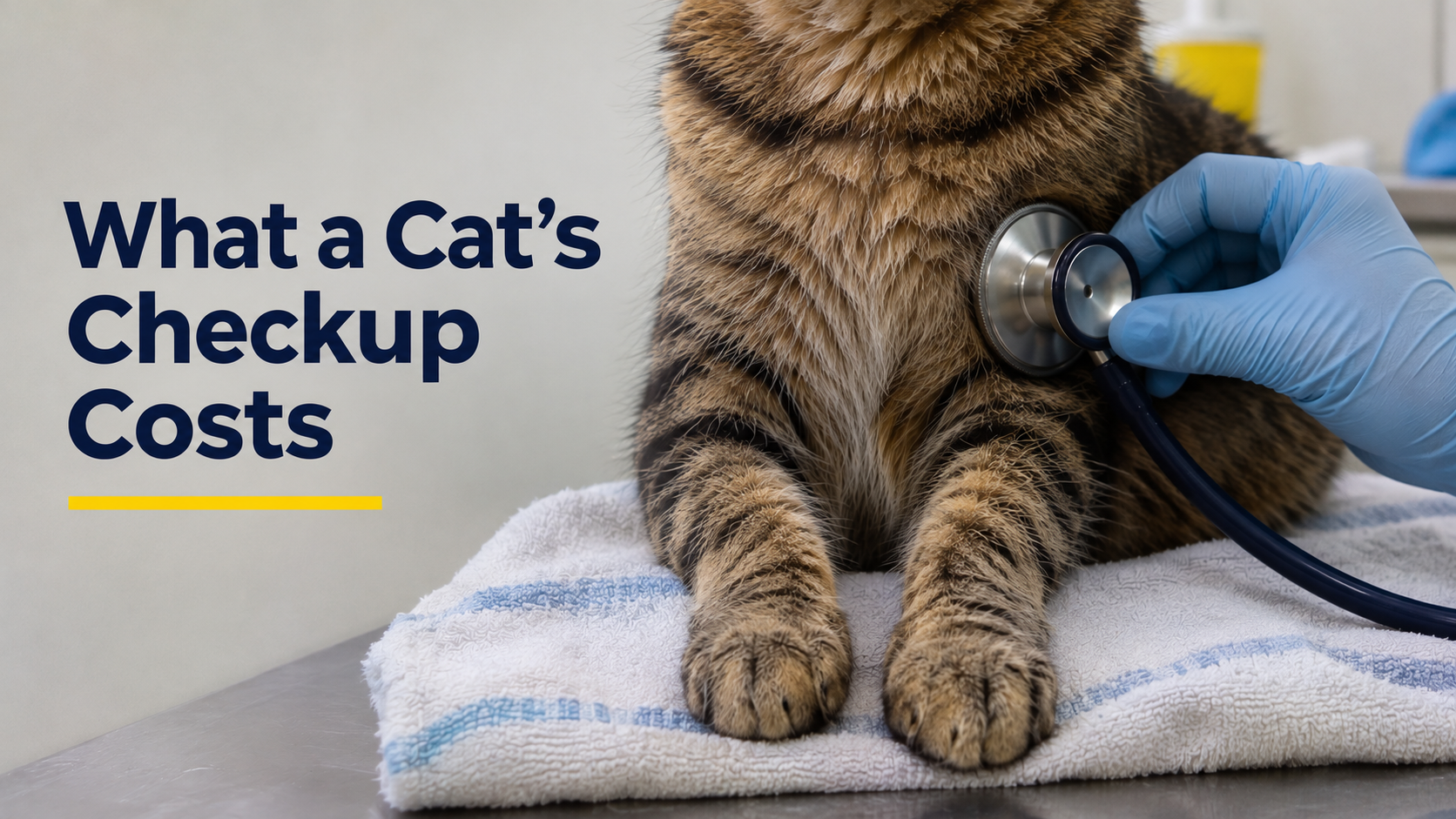
Every cat gets a brief physical exam first, and older cats may need bloodwork, so the sedation plan fits their health. No cat is sedated on a guess.
A veterinarian listens to the heart and lungs, checks weight and hydration, and reviews current medications. For seniors, or cats with kidney, thyroid or heart concerns, our on-site laboratory can often run bloodwork the same day. The results shape a personalized treatment plan, including which sedative we use, the dose, and how closely we monitor recovery.
We explain how we decide sedation is safe for older cats in more detail elsewhere.
Pairing the Trim With Another Visit Saves a Second Sedation
If your cat is already coming in for a checkup, dental work or bloodwork, adding the nail trim means one trip and one recovery. That’s less stress for your cat and fewer car rides in the carrier.
Dental cleanings are the easiest pairing. Your cat is already under anesthesia, and the trim adds only a few minutes. Bloodwork visits work well too, since the pre-sedation labs are already done. Many Plantation families schedule it alongside your cat’s yearly checkup.
Mention the nails when you book, and we’ll plan the timing around everything else your cat needs that day.
Short Sessions at Home Make Future Trims Easier
Handling paws for a few seconds a day, with treats, can make some cats tolerant enough to skip sedation next time. Aim for calm, predictable contact, not a full trim.
Start when your cat is relaxed, perhaps after a meal. Touch a paw, give a treat, and stop. Over a week or two, work up to gently pressing a toe so the nail extends. Then clip a single nail and call it a win. A sturdy scratching post also wears down the outer nail layers between trims.
Some cats will never enjoy it, and that’s fine. If home trims still end in a standoff, our grooming team at Lakeside can take it from there.
Quick Questions
How often should an indoor cat’s nails be trimmed?
Most indoor cats do well with a trim every two to four weeks. Seniors and polydactyl cats often need it more often. Check the dewclaws on the inner front legs too. They don’t touch the ground, so they’re the nails most likely to curl into the pad.
Do nail caps help between trims?
Soft vinyl nail caps protect furniture and skin and usually last four to six weeks. They don’t replace trimming. Nails still need to be cut short first, and caps should be checked so they don’t trap debris or hide an overgrown nail underneath.
Will my cat be groggy after a sedated nail trim?
Mild sleepiness for a few hours is normal after light sedation, and most cats eat and act like themselves by evening. Keep your cat indoors and off high perches until fully alert. Call us if grogginess lasts into the next morning or your cat won’t eat.
Book Your Cat’s Sedated Nail Trim in Plantation
A nail growing into the pad is painful and can become infected, so book now rather than waiting for the next grooming cycle. Your pet is family, and we treat them as if they are ours.
Lakeside Animal Hospital is AAHA-accredited. A veterinary team is on-site for every grooming appointment, and cats are seen in our dedicated feline room, away from barking dogs. We care for cats from Plantation, Sunrise and Lauderhill.