How Is Kidney Disease Diagnosed and Managed in Senior Cats?
TL;DR
- Chronic kidney disease (CKD) is common in senior cats. It is diagnosed through bloodwork and a urinalysis.
- Management usually centers on a kidney-supportive diet, hydration support, and regular rechecks to slow progression.
- Lakeside Animal Hospital in Plantation, FL runs kidney panels in its on-site laboratory, so results and next steps come quickly.
If your older cat is emptying the water bowl faster or leaving bigger clumps in the litter box, the kidneys may be the reason. Kidney disease is one of the most frequent diagnoses in senior cats, and catching it early changes how well a cat does for years afterward. As a senior cat vet in Plantation, FL, Dr. Jennifer Frione sees these cases regularly. Most come from Plantation families who simply noticed that something felt off. Here is what to watch for, how diagnosis works, and what daily management looks like.
What Are the Early Signs of Kidney Disease in Senior Cats?
Early signs include increased thirst and urination, gradual weight loss, and a coat that looks less groomed than usual. Some cats also become pickier about food.
These changes happen because damaged kidneys can no longer concentrate urine well. The body loses more water, and the cat drinks more to keep up. As waste products build up in the blood, appetite and energy slowly fade.
Why Early Signs Are Easy to Miss
Cats are masters at hiding illness, and the first changes creep in slowly. A cat who drinks a little more each month rarely raises alarms, and weight loss is hard to spot under a fluffy coat. That is why routine senior bloodwork often finds kidney disease before owners notice anything at home.
How Do Vets Diagnose Kidney Disease in Senior Cats?
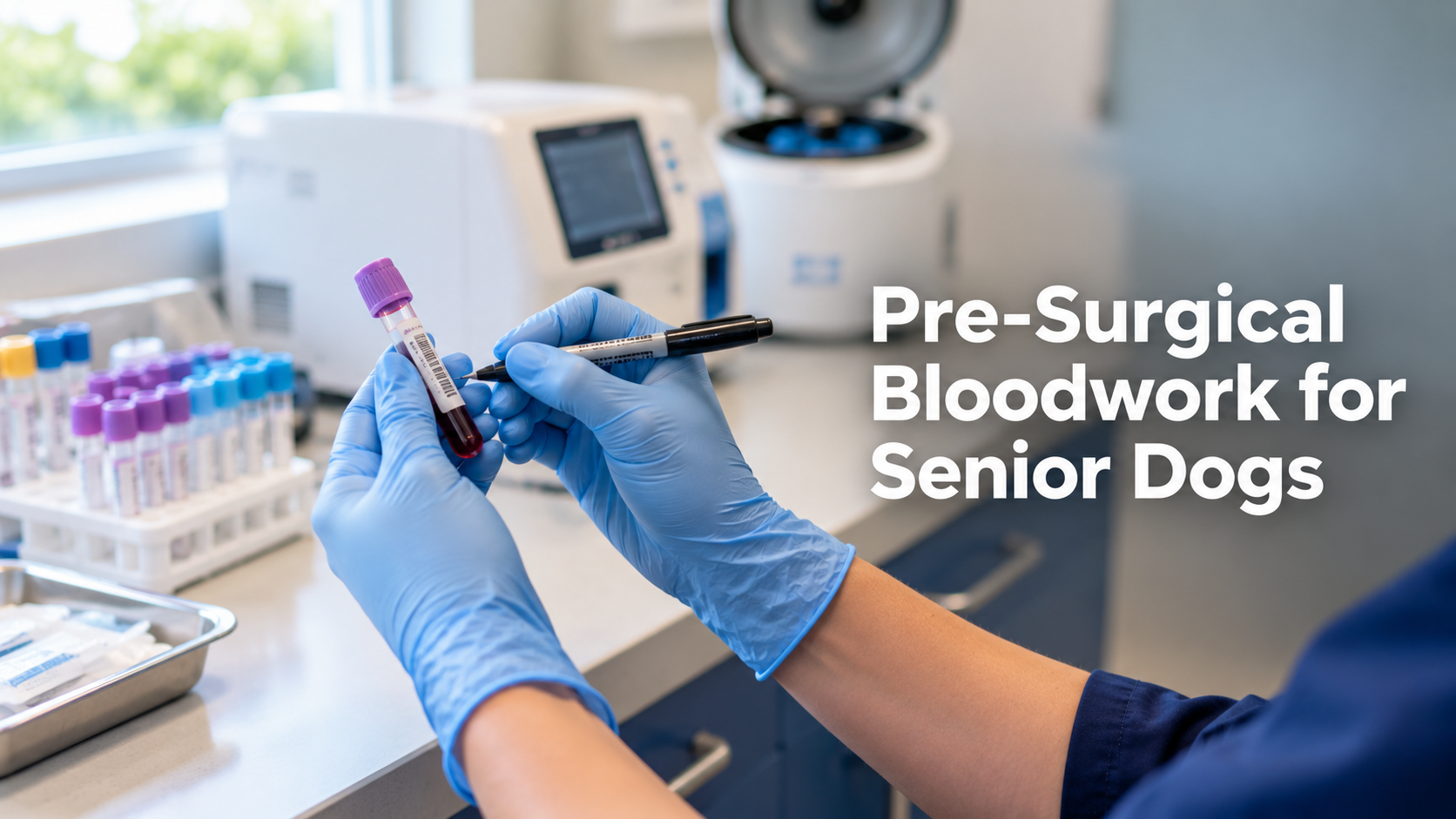
Diagnosis relies on bloodwork that measures kidney values like creatinine and BUN, along with a urinalysis that shows how well the kidneys concentrate urine. Many panels also include SDMA, a marker that can rise earlier than creatinine.
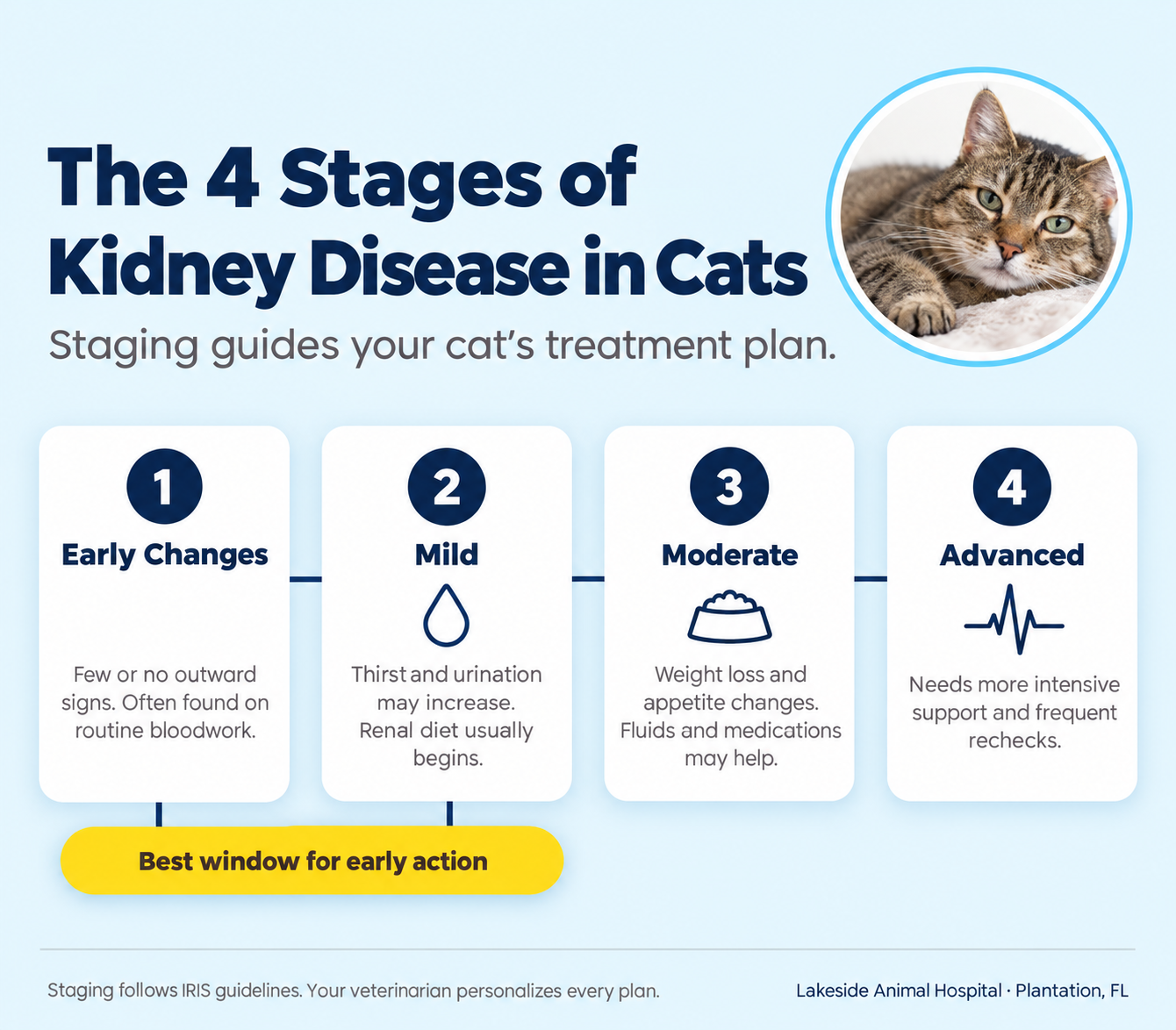
A blood pressure check is usually part of the workup, since high blood pressure often travels with kidney disease. At Lakeside, the on-site laboratory processes these tests in house, so families are not left waiting days for answers. Once the results are in, the disease is staged from 1 to 4, and that stage guides every treatment decision that follows.
How Does Diet Affect Kidney Disease Management?
A kidney-supportive diet reduces the workload on the kidneys by controlling protein, phosphorus, and sodium. That can meaningfully slow how fast the disease progresses.
Renal diets also tend to add omega-3 fatty acids and extra moisture, and both help a struggling kidney. Every cat’s needs are a little different, which is why a personalized treatment plan matters more than any single bag of food. If you are curious about the details, here is what a kidney diet consultation involves.
Transitioning to a Renal Diet
Switch gradually over one to two weeks, mixing more of the new food into the old each day. Cats can be particular about smell and texture. Warming wet food slightly, or trying another flavor of the same formula, often wins them over.
What Other Treatments Support Cats with Kidney Disease?
Beyond diet, treatment may include subcutaneous fluids, medications to manage blood pressure or phosphorus, and appetite support. Subcutaneous fluids are given just under the skin to keep a cat hydrated. Most families learn to give them at home after a single demonstration visit, and many cats accept them calmly.
How Often Should a Senior Cat with Kidney Disease Be Rechecked?
Recheck frequency depends on the stage, but many cats need bloodwork every three to six months to track progression and adjust treatment. Cats in later stages, or cats starting a new medication, may need to come in sooner.
These visits are a chance to look at the whole senior pet, too. Aging affects more than the kidneys, and recognizing cognitive changes in senior pets belongs in the same conversation.
Frequently Asked Questions About Kidney Disease in Senior Cats
Can chronic kidney disease in cats be cured?
No. Chronic kidney disease is not curable, but it is very manageable. With diet changes and ongoing care, many cats keep a good quality of life for a significant time after diagnosis. “In my experience, the cats who do best are the ones caught early, while their kidney values are still close to normal,” says Dr. Frione.
Is a prescription kidney diet really necessary?
For most cats, yes. Kidney-supportive diets are formulated specifically to reduce strain on the kidneys and are a core part of managing the disease. Dr. Frione recommends starting the switch soon after diagnosis rather than waiting for symptoms to worsen.
How is kidney disease staged in cats?
Kidney disease is staged from 1 to 4 using bloodwork values, urine protein, and blood pressure, following International Renal Interest Society (IRIS) guidelines. Stage 1 cats often show no outward signs, while stage 4 cats need more intensive support. The stage shapes your cat’s treatment plan.
Dr. Frione’s Perspective on Kidney Care
“Nutrition is one of my biggest focuses with kidney disease cases, because diet genuinely changes the course of this condition. I sit down with every family and walk through exactly why the diet matters, instead of just handing them a bag of food.”
- Dr. Jennifer Frione, DVM, Ross University School of Veterinary Medicine
Ready to Check Your Senior Cat’s Kidney Health?
Early detection through routine senior bloodwork gives your cat the strongest start in managing kidney disease. At Lakeside Animal Hospital, your pet is family, and we treat them as if they are ours. Dr. Frione brings ten years of experience and a dedicated clinical interest in nutrition to every kidney case, and the on-site laboratory keeps results fast. Families across Plantation, Sunrise, and Lauderhill trust our senior cat care and kidney disease management for a personalized treatment plan.
Kidney disease in senior cats is common, but it does not have to define your cat’s later years. With early bloodwork, the right diet, and a vet who knows your cat by name, many cats live comfortably for a long time. If you are looking for a senior cat vet in Plantation, FL, Dr. Frione and the Lakeside team are ready to help.