What Is Feline Stomatitis, and How Is It Treated?
TL;DR
- Feline stomatitis is a painful, often immune-mediated inflammation of a cat's mouth and gums.
- It's frequently caused by an exaggerated immune reaction to plaque and bacteria on the teeth.
- Full mouth tooth extraction resolves most cases, and laser-assisted treatment helps reduce pain and support faster healing.
If your cat has started drooling, pawing at their face, or turning away from food they used to love, feline stomatitis could be the reason. This condition is one of the more painful things a cat's mouth can experience, and because cats are experts at hiding discomfort, many Plantation families don't realize how far it has progressed until symptoms are hard to ignore. Feline stomatitis treatment in Plantation typically starts with a thorough oral exam, and for most cats, the path to relief runs through extraction supported by laser technology. This guide walks through what causes stomatitis, why extraction is usually the answer, how laser treatment fits into that process, and what recovery actually looks like for your cat.
What Causes Feline Stomatitis?
Stomatitis is believed to result from an exaggerated immune response to plaque and bacteria on the teeth, causing severe, widespread oral inflammation. Instead of the mild gum irritation seen with typical dental disease, a cat's immune system essentially overreacts to the bacterial film on the tooth surface, and the result is inflammation that spreads across the gums, the back of the throat, and sometimes the tongue.
Veterinarians haven't pinned down a single cause. Viral infections like feline calicivirus, underlying dental disease, and genetic predisposition in certain cats all appear to play a role. What's consistent is the severity. This isn't ordinary gingivitis that responds to a cleaning and goes away. It's a chronic, immune-driven condition that tends to worsen without intervention.
Signs and Symptoms to Watch For
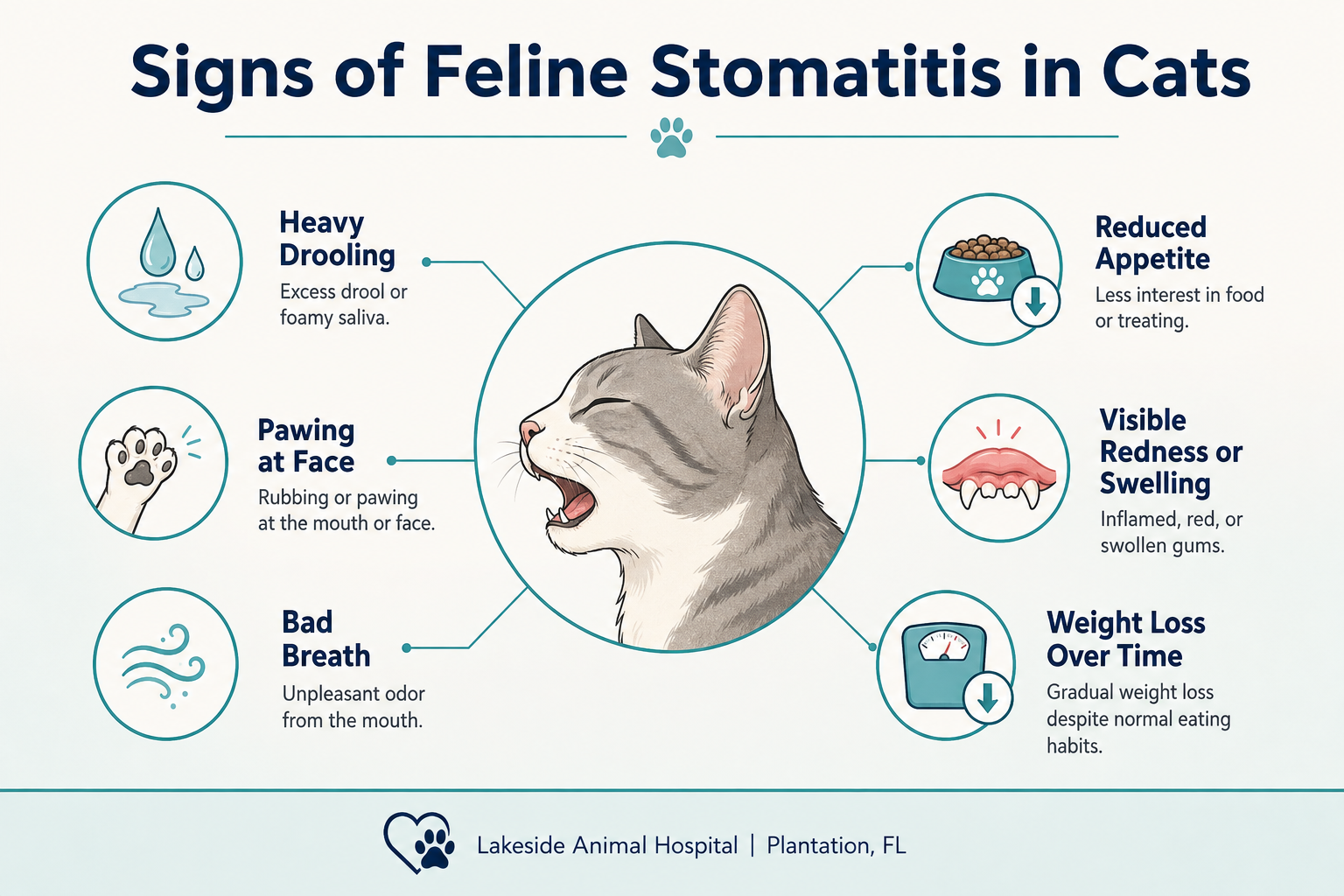
Cats with stomatitis often show a cluster of symptoms that owners can catch early if they know what to look for:
- Heavy drooling, sometimes tinged with blood
- Reduced appetite or reluctance to eat hard food
- Pawing at the mouth or face
- Visible redness, swelling, or ulceration along the gums or back of the mouth
- Bad breath that's noticeably worse than usual
- Weight loss over time as eating becomes painful
Any combination of these signs is worth a veterinary exam, especially if your cat has stopped eating normally.
Why Do Vets Recommend Extractions for Stomatitis?
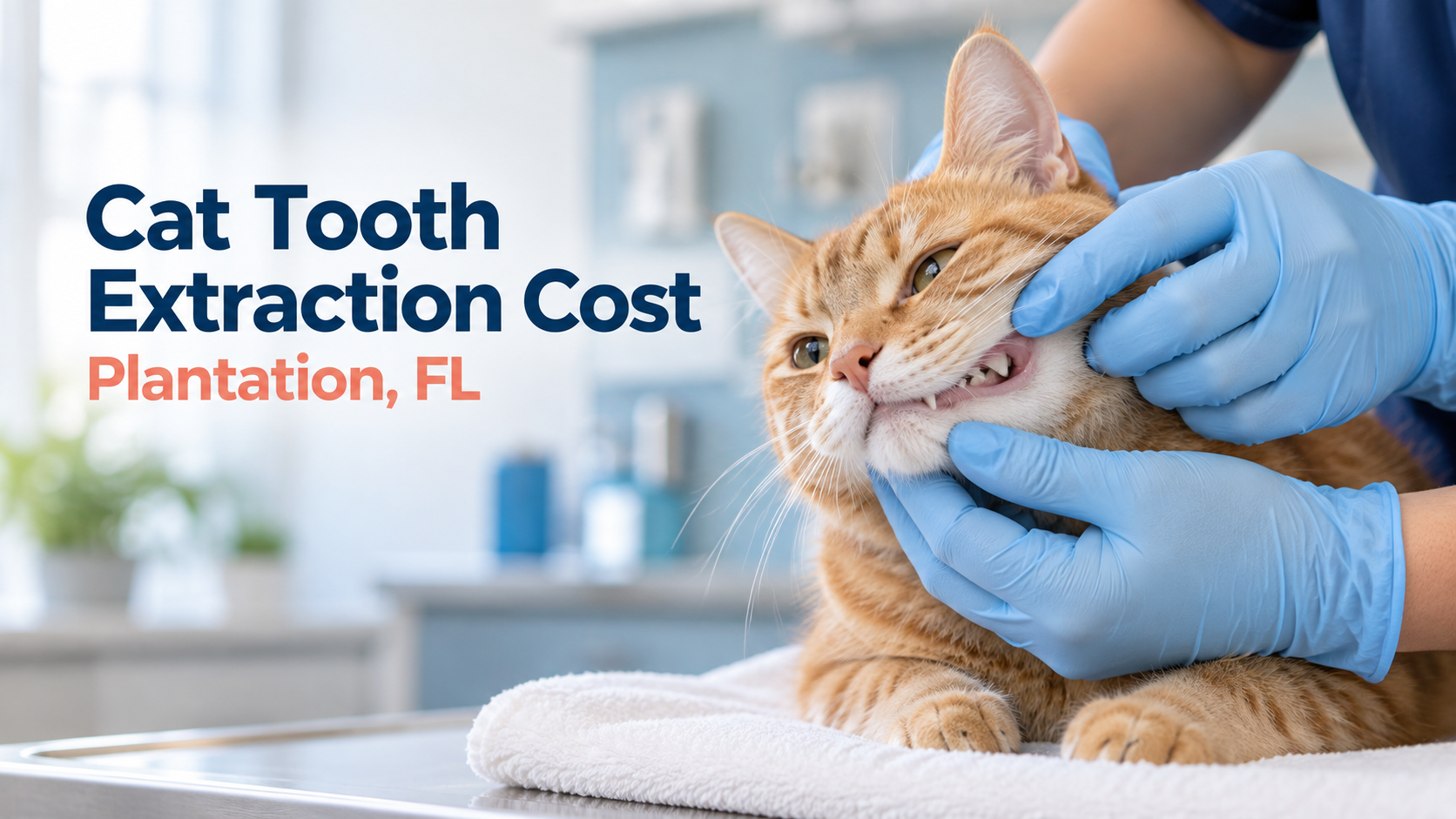
Removing the teeth eliminates the surface bacteria the immune system is reacting to, and full mouth extraction resolves the majority of stomatitis cases long-term. This can sound drastic to owners the first time they hear it, but the logic holds up. If the immune system is reacting to bacteria that live on tooth surfaces, taking away that surface removes the trigger.
Studies and clinical experience both point to the same outcome. Most cats who undergo full or near-full mouth extraction see their inflammation resolve or improve dramatically. A smaller percentage need ongoing medical management afterward, but even those cats typically require far less medication than before treatment. At Lakeside Animal Hospital, extractions are performed as part of a laser-assisted dental care for cats approach designed to minimize pain during and after the procedure.
How Does Laser Treatment Help?
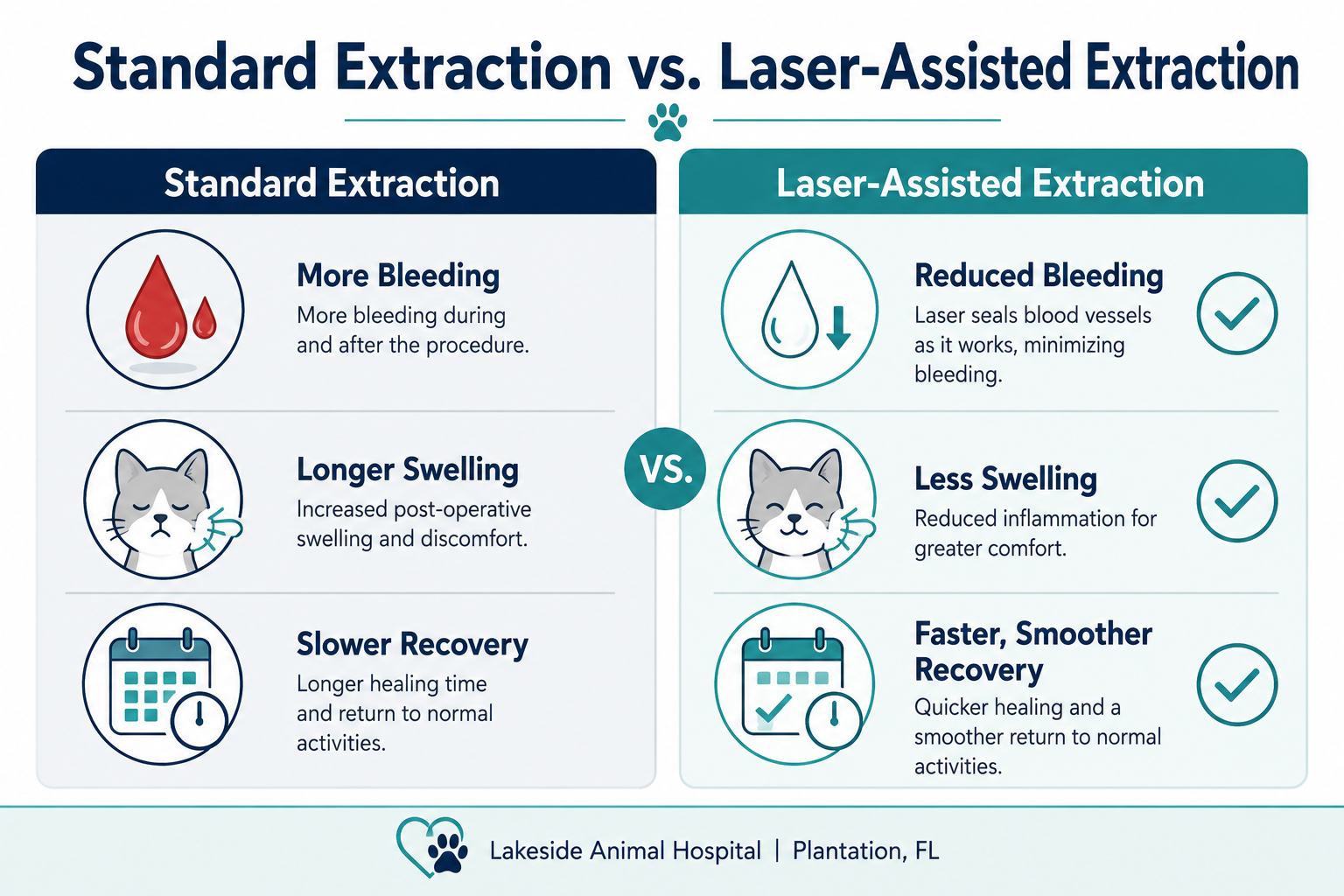
Laser-assisted dental surgery reduces bleeding, swelling, and pain during and after extractions, which supports a smoother recovery for an already painful condition. The laser seals small blood vessels and nerve endings as it works, which is a meaningful difference for a mouth that's already inflamed and sensitive.
For cats specifically, this matters more than it might for other procedures. Stomatitis patients are dealing with tissue that's already irritated and prone to bleeding. A gentler surgical approach translates directly into less trauma on top of a condition that's already caused enough.
What to Expect During the Procedure
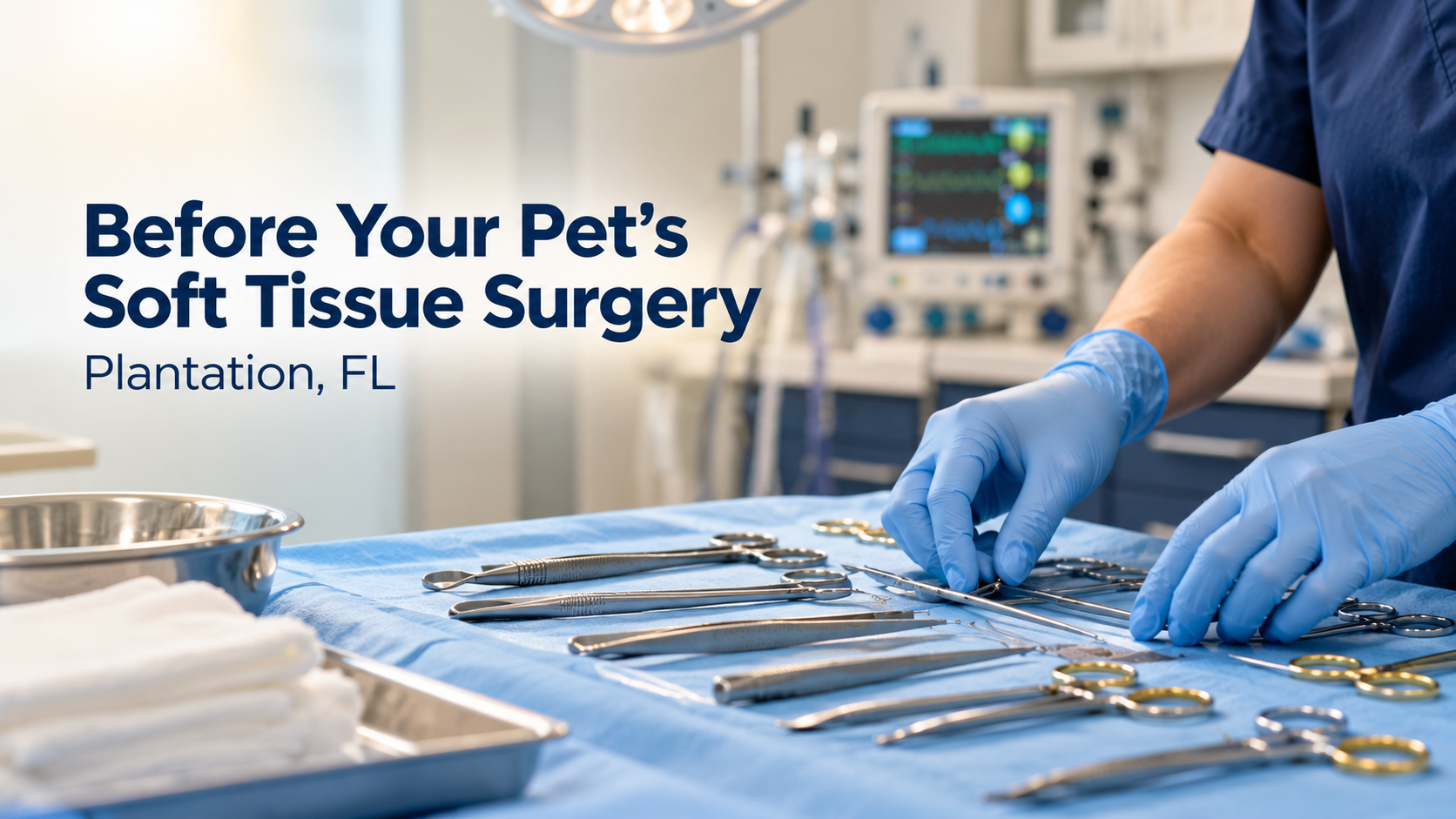
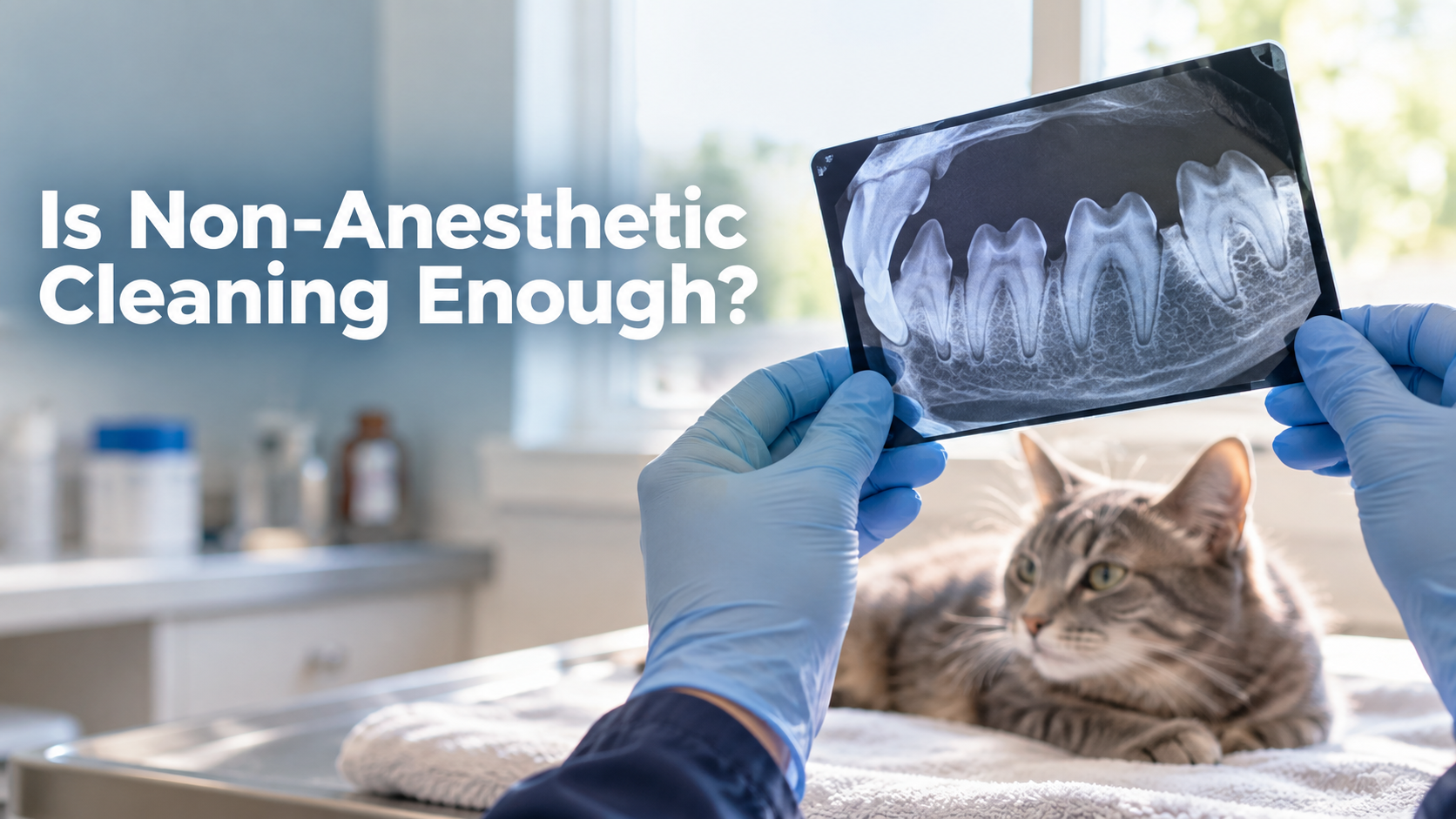
Cats undergoing extraction for stomatitis are placed under general anesthesia, with dental radiographs taken first to map out the full scope of the disease below the gumline. Extractions and laser therapy are then performed in the same visit. Pain management is built into the process before, during, and after surgery, and most cats go home the same day with a personalized treatment plan for recovery and follow-up care.
What Does Recovery Look Like After Treatment?
Most cats show noticeable improvement in comfort and appetite within days of the swelling subsiding, with full healing over several weeks. The first few days after surgery are focused on pain control and soft food, and many owners are surprised at how quickly their cat starts acting more like themselves again.
Full healing of the gum tissue takes longer, usually four to six weeks, and follow-up visits track how well the inflammation is resolving. For cats whose stomatitis was caught and treated early, recovery tends to be smoother and faster. That's part of why earlier intervention matters. What happens if stomatitis is left untreated is a question worth understanding before symptoms progress further, since delayed treatment generally means a longer, harder recovery on the other side.
Can a Cat Eat Normally Without Teeth?
Yes. Cats adapt well to eating without teeth, and most owners report their cat eating more comfortably than before treatment once the pain source is gone. This surprises a lot of people, but cats don't chew the way dogs or humans do. They tend to tear and swallow food rather than grind it extensively.
Most cats transition to canned or softened food after extraction and do well long term. Some eventually return to dry kibble, though many owners find their cat prefers softer textures going forward. Either way, the relief from pain usually outweighs any adjustment period, and appetite often improves within the first couple of weeks.
Frequently Asked Questions About Feline Stomatitis
Is feline stomatitis curable?
Full mouth extraction resolves stomatitis in the majority of cats, though a small number may need ongoing medical management. Most cats see dramatic improvement in comfort after treatment.
How do I know if my cat has stomatitis or just bad breath?
Stomatitis typically involves visible redness or ulceration in the mouth, drooling, reduced appetite, and pawing at the face, not just odor. A veterinary exam can confirm the diagnosis.
Does laser treatment mean no teeth need to be removed?
No. Laser treatment supports the extraction procedure by reducing pain and bleeding. It doesn't replace the need for extractions in most stomatitis cases.
How soon should I bring my cat in if I notice symptoms?
As soon as possible. Stomatitis tends to progress, and cats often hide pain until it's severe. An earlier exam gives more treatment options and typically leads to a more comfortable recovery.
Dr. Frione's Perspective
"Stomatitis is one of the most painful conditions I treat, and it's often more advanced than owners realize because cats hide pain so well. I explain to families that removing the teeth isn't a last resort. It's usually the treatment that finally gives their cat relief." — Dr. Jennifer Frione, DVM, Ross University School of Veterinary Medicine

Schedule an Oral Health Evaluation for Your Cat
Stomatitis is progressive, and the longer it goes untreated, the more prolonged the discomfort for your cat. If you've noticed drooling, appetite changes, or your cat pawing at their mouth, waiting rarely makes the situation easier to treat.
Lakeside Animal Hospital provides laser-assisted dental care for cats and dogs throughout Plantation, Sunrise, and Lauderhill, with board-certified oversight and a personalized treatment plan built around each patient. Your pet is family, and we treat them as if they are ours. Call our Plantation office to schedule a dental evaluation and get a clear picture of what your cat needs.
Feline stomatitis is painful, but it's treatable, and most cats go on to live comfortably once the source of inflammation is gone. With the right care team and a laser-assisted approach designed for feline patients, Plantation families can expect their cat's quality of life to improve significantly after treatment. Lakeside Animal Hospital is here to guide that process from diagnosis through recovery.