Most pet owners don't think about whether their vet is truly good until something goes wrong. A missed diagnosis. A rushed appointment where half their questions went unanswered. A front desk that treats them like a transaction rather than a family walking in with someone they love.
The signs of a good vet are actually visible from the very first visit, if you know what to look for. This guide walks you through what separates an exceptional veterinary practice from a mediocre one: the clinical markers, the facility standards, the accreditations worth caring about, and the red flags that should send you searching elsewhere. If you're new to the Plantation area, just brought home a new pet, or have been second-guessing your current vet, read this before you make that call.
The Most Important Signs of a Good Vet
A good vet demonstrates genuine compassion, communicates clearly without hiding behind medical jargon, listens more than they talk, and performs a thorough nose-to-tail physical exam every single visit. Get all four of those things consistently and you have the foundation of excellent veterinary care.
Start with communication. Your vet should be able to explain what they're finding, what they suspect, and what they recommend in plain language you can actually act on. If you leave an appointment more confused than when you arrived, that's a problem. A confident, well-trained veterinarian has no reason to be vague.
Equally telling is how your vet listens. Good veterinarians ask questions before they reach any conclusions. They want to know about changes in your pet's appetite, energy, bathroom habits, and behavior. They treat you as a partner in your pet's care, not an obstacle between them and the exam table.
The physical exam itself is one of the clearest indicators of clinical quality. A thorough exam covers the eyes, ears, teeth, lymph nodes, heart, lungs, abdomen, skin, coat, and musculoskeletal system. It takes time. A vet who wraps up an exam in three minutes and hands you a bill hasn't done the job.
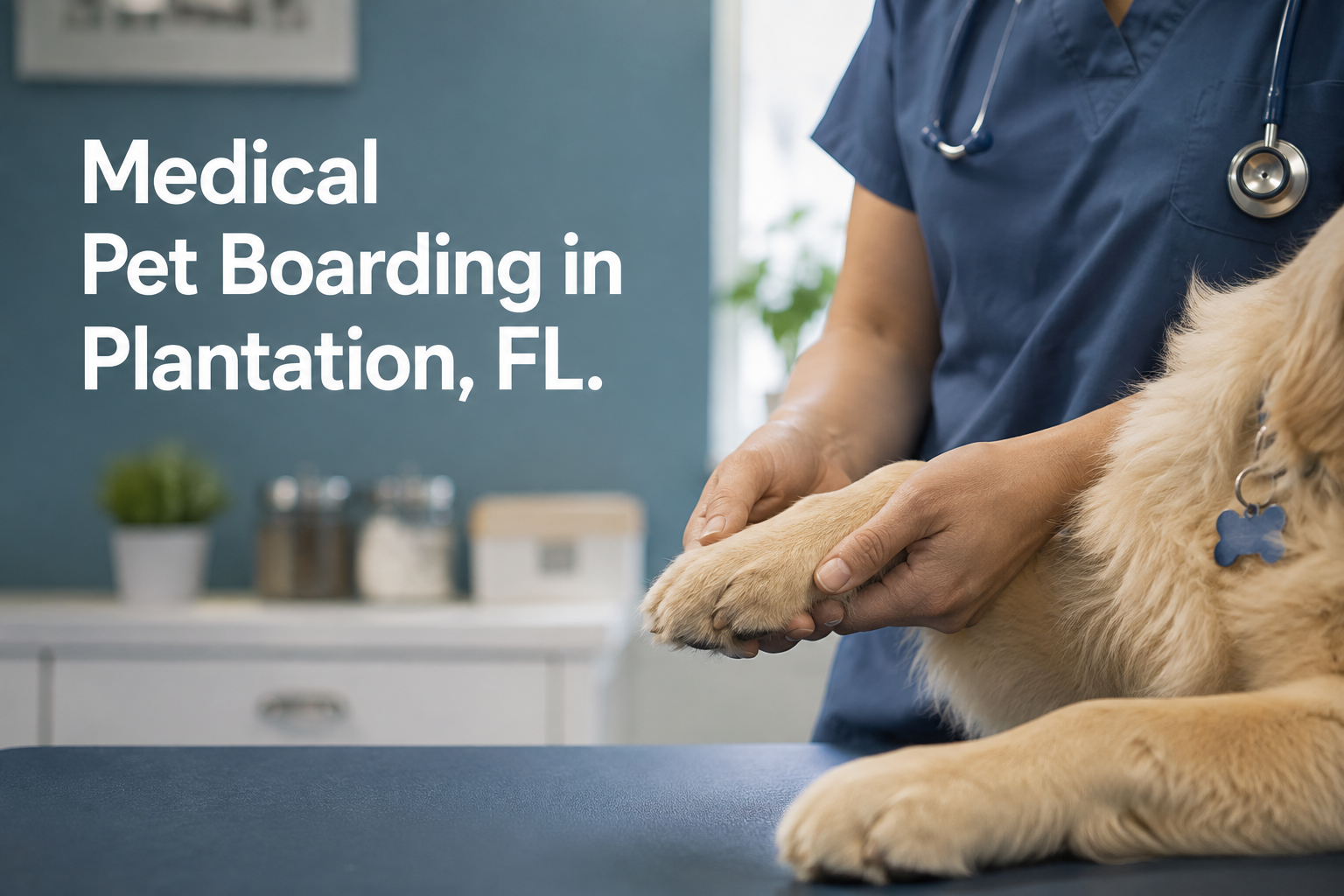
Finally, watch how your vet handles your pet. Calm, confident, gentle handling with a clear awareness of the animal's stress level is a sign of both skill and compassion. Pets can't tell you how they were treated. The way a vet moves around an animal tells you everything.
What the Clinic Itself Tells You
Walk in the front door and look around. The physical environment of a veterinary practice communicates the standard of care before a doctor ever enters the room.
A well-run clinic is clean, organized, and free of strong odors. Some clinical smell is expected in any medical facility. But a clinic that consistently smells of waste or disinfectant overload is signaling poor sanitation management, and that matters for your pet's health and safety.
Look at the staff. Are the receptionists warm and attentive, or distracted and dismissive? Do the veterinary technicians handle animals with confidence and care? High staff turnover is one of the more reliable indicators that something isn't right behind the scenes. You'll sense it in a team that seems uncertain or undertrained.
Separate waiting areas for cats and dogs are a meaningful detail. Placing a cat carrier next to a large, anxious dog in a shared waiting room is not a small inconvenience. It's a stressor that affects your pet's physical state before the exam even begins. Practices that think carefully about this are practices that think carefully about the whole experience.
On-site diagnostics are another quality marker worth asking about. When a clinic has its own on-site laboratory and imaging equipment, your vet can get answers the same day rather than sending samples out and waiting days for results. In urgent situations, that difference is significant.
Credentials and Accreditations That Actually Matter
Not all veterinary practices are held to the same standard, and accreditation is one of the clearest ways to tell the difference.
AAHA, the American Animal Hospital Association, is the only organization that accredits veterinary practices in the United States and Canada. To earn AAHA accreditation, a practice must meet over 900 standards across areas including patient care, pain management, surgery, pharmacy, diagnostic imaging, and medical records. Fewer than 15% of veterinary practices in the U.S. meet these standards. When you see the AAHA seal, it means the clinic has been independently evaluated and held accountable on a continuing basis, not just once.
Beyond accreditation, look at the doctors' educational backgrounds. A DVM (Doctor of Veterinary Medicine) degree from an accredited institution is the baseline. What matters beyond that is whether the vet pursues continuing education, stays current with advances in diagnostics and treatment, and has developed specific areas of clinical expertise.
Veterinary interests matter too. A vet with a focus in preventative care and nutrition approaches wellness visits differently than one whose background is primarily surgical. Knowing your vet's strengths helps you understand what kind of advocate you have in the room.
You can meet the doctors at Lakeside Animal Hospital and review their credentials, training, and areas of interest before you ever book an appointment. That transparency is itself a quality signal.
Red Flags That Signal a Bad Vet
Knowing what to avoid is just as useful as knowing what to seek out.
- Rushed appointments. If your vet seems impatient, cuts you off mid-question, or is visibly moving toward the door before you're done talking, that's a problem. Thorough care takes time. A vet who consistently runs appointments in under ten minutes is not performing complete evaluations.
- Dismissing your concerns. You know your pet. If a vet consistently minimizes what you're observing at home without offering a clinical explanation for why your concern isn't warranted, find a second opinion. A good vet takes owner observations seriously because behavioral and appetite changes at home are often the earliest diagnostic signal available.
- Vague diagnoses with no clear next steps."Let's just watch it" is sometimes the right clinical answer. But it should come with specific guidance: watch for what, over what timeframe, and when to call. If you leave without that clarity, you weren't given complete care.
- Dirty or disorganized facility. Environment reflects standards. A consistently unkempt clinic signals that attention to detail is not a priority, and attention to detail is exactly what good veterinary medicine requires.
- Reluctance to refer. A confident vet knows the boundaries of general practice. If your pet needs a specialist, a cardiologist, or an oncologist, a good vet says so plainly and helps you get there. A vet who resists referral out of ego or economics is not serving your pet's interests.
Questions to Ask Before You Commit to a Vet
These are the questions worth asking before your pet's first appointment, or before you switch practices.
- How do you handle after-hours emergencies? Every practice should have a clear answer. Know in advance whether your vet provides emergency guidance directly or has a trusted emergency referral protocol in place.
- Do you have on-site diagnostics? In-house labs and digital imaging mean faster answers. Ask specifically whether bloodwork and X-rays can be processed the same day.
- How will you communicate test results? Will someone call you? Send a portal message? How long does it typically take? A practice with clear communication systems built in is a practice that takes follow-through seriously.
- What wellness plans do you offer? Preventative care is the most cost-effective way to keep a pet healthy long-term. A vet worth trusting will have structured wellness and routine exam options and will talk to you about what's appropriate for your pet's age, breed, and health history.
- How do you approach pain management? This question reveals a lot about clinical philosophy. A vet who gives a thoughtful answer covering pre-surgical protocols, post-procedure monitoring, and chronic pain options is a vet who views your pet as a patient, not a case number.
What Good Veterinary Care Looks Like in Plantation, FL
Broward County families take their pets seriously. From Weston to Davie to the neighborhoods surrounding Plantation, the pet owners who walk through our doors at Lakeside Animal Hospital aren't just looking for someone to handle annual shots. They want a vet who knows their dog by name, who remembers that their cat had a urinary issue two years ago, and who will personally call when something in the bloodwork needs a conversation.
Practicing big medicine in a family hospital environment is something Dr. Jennifer Frione, DVM, has built Lakeside Animal Hospital around since taking ownership of the practice. Lakeside offers on-site laboratory diagnostics, digital imaging, a full range of medical services from dental care to laser therapy to soft tissue surgery, dedicated cat and dog environments, and evening and Saturday hours designed around the schedules of working families.
The team here doesn't rotate through. Estee Froehlich has been the kennel supervisor since 2013. Practice Manager Danni Blount brings over a decade of veterinary experience, including specialty and emergency care. These are people who have chosen to stay, and that kind of stability shows up in the consistency of care your pet receives every time they walk through the door.
"The most important thing a vet can do is make the owner feel heard and the pet feel safe. When a pet owner comes in with concerns, I want them to leave with answers, not more anxiety. That's what a real relationship with a veterinary team looks like."Dr. Jennifer Frione, DVM, Owner, Lakeside Animal Hospital, Plantation, FL